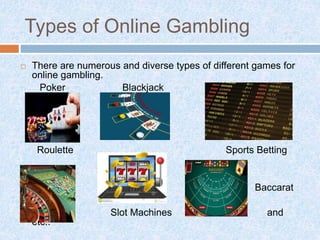
Online gambling has evolved from a niche curiosity into a multi-billion-dollar global industry. What was once limited to a handful of digital casinos and poker rooms now encompasses a diverse ecosystem of platforms, mechanics, and player experiences. For technology professionals, operators, and enthusiasts alike, understanding the distinct categories of online gambling is essential—not only to navigate the landscape but to appreciate the sophisticated software architecture and user experience design that powers each vertical.
This article breaks down the most popular types of online gambling, examining how each works, what distinguishes it from the others, and why it attracts specific audiences.
1. Online Casinos
Online casinos represent the largest and most recognizable segment of the digital gambling market. They replicate the traditional casino floor experience through browser-based or downloadable software, offering a vast library of games powered by random number generators (RNGs) or live dealer streaming technology.
Key Subcategories
- RNG-Based Casinos: Games are driven by certified random number generators, ensuring fair and unpredictable outcomes. These include video slots, digital table games, and instant-win titles.
- Live Dealer Casinos: Real dealers stream games in real time from professional studios. Players interact via chat and place bets through an intuitive interface. Popular titles include live blackjack, roulette, and baccarat.
- Mobile Casinos: Optimized for smartphones and tablets, these platforms prioritize responsive design and touch-friendly controls.
The technology stack behind online casinos typically involves high-performance servers, low-latency video streaming, and advanced encryption protocols to protect financial transactions and personal data.
2. Sports Betting
Sports betting is arguably the most dynamic online gambling vertical, driven by real-world events and real-time data feeds. Players wager on the outcome of sporting events, from football and basketball to esports and horse racing.
Betting Formats
| Moneyline | Pick the outright winner of a match or event. |
| Point Spread | Wager on the margin of victory, with a handicap applied to balance odds. |
| Over/Under | Predict whether the total score will exceed or fall below a set number. |
| Prop Bets | Wager on specific occurrences within a game, such as player statistics. |
| Parlays | Combine multiple bets into one for higher payouts and increased risk. |
Modern sportsbooks leverage APIs from data providers to deliver live odds, in-play betting, and cash-out features. The user experience hinges on speed, accuracy, and seamless integration with streaming or stat-tracking services.
3. Online Poker
Online poker is a skill-based gambling format that pits players against one another rather than the house. It rose to prominence in the early 2000s and remains a staple of the digital gambling world, particularly among strategy-focused players.
Popular Variants
Poker platforms require robust backend systems to manage real-time multiplayer action, tournament structures, and anti-collusion measures. Security and fairness are paramount, often enforced through third-party audits and shuffle certification.
4. Lottery and Instant Win Games
Lotteries and instant-win games offer a low-barrier entry point into online gambling. Players purchase digital tickets or scratch cards for a chance to win prizes, often with minimal strategic involvement.
- Online Lotteries: Draw-based games where numbers are selected manually or randomly.
- Scratch Cards: Digital replicas of physical scratch-off tickets, revealing outcomes instantly.
- Keno: A numbers game where players choose a set of numbers and hope they are drawn.
These games are popular for their simplicity and accessibility, often integrated into broader casino platforms or standalone apps.
5. Bingo
Online bingo combines social interaction with chance-based gameplay. Players purchase cards with numbered grids and mark off numbers as they are called, aiming to complete specific patterns.
Bingo Variations
- 75-Ball Bingo: Common in the United States, featuring a five-by-five grid.
- 90-Ball Bingo: Popular in the United Kingdom, with a three-by-nine grid.
- Speed Bingo: Fast-paced rounds designed for quick sessions.
Modern bingo platforms emphasize community features, including chat rooms, virtual hosts, and multiplayer tournaments. The technology often mirrors that of live dealer casinos, with real-time synchronization and low-latency communication.
6. Fantasy Sports
Fantasy sports occupy a unique space in the online gambling landscape. While not always classified as gambling, daily fantasy sports (DFS) platforms allow users to build virtual teams and compete for cash prizes based on real-world player performance.
DFS operates on a subscription or entry-fee model, with contests ranging from casual to high-stakes. The appeal lies in the blend of sports knowledge, data analysis, and strategic team-building. Technologically, these platforms rely on real-time stat feeds, algorithmic scoring, and scalable contest management systems.
7. Esports Betting
Esports betting is a rapidly growing vertical, driven by the global popularity of competitive gaming. Titles such as League of Legends, Dota 2, and Counter-Strike attract millions of viewers and bettors alike.
Betting markets include match winners, map outcomes, player performance, and tournament placements. The infrastructure supporting esports betting mirrors traditional sportsbooks but requires integration with game APIs and live-streaming platforms.
8. Virtual Sports
Virtual sports simulate real-world sporting events using computer-generated graphics and RNGs. Events are short, frequent, and available around the clock, making them ideal for players seeking constant action.
- Virtual Football: Simulated matches with realistic visuals and commentary.
- Virtual Horse Racing: Races generated by algorithms, often with detailed form guides.
- Virtual Tennis: Fast-paced matches with dynamic odds.
These games are particularly popular in retail betting shops and online platforms where traditional sports may be unavailable.
Conclusion
The online gambling ecosystem is vast and technologically sophisticated. From RNG-driven casino games to live-streamed dealer tables and data-intensive sports betting platforms, each vertical presents unique engineering challenges and user experience considerations. Understanding these categories is essential for anyone involved in developing, regulating, or engaging with digital gambling products.
As technology continues to evolve—through AI, blockchain, and immersive VR—the boundaries between these categories will blur, creating new opportunities and complexities. For now, the diversity of online gambling remains one of its greatest strengths, offering something for every type of player.
Leave a Reply