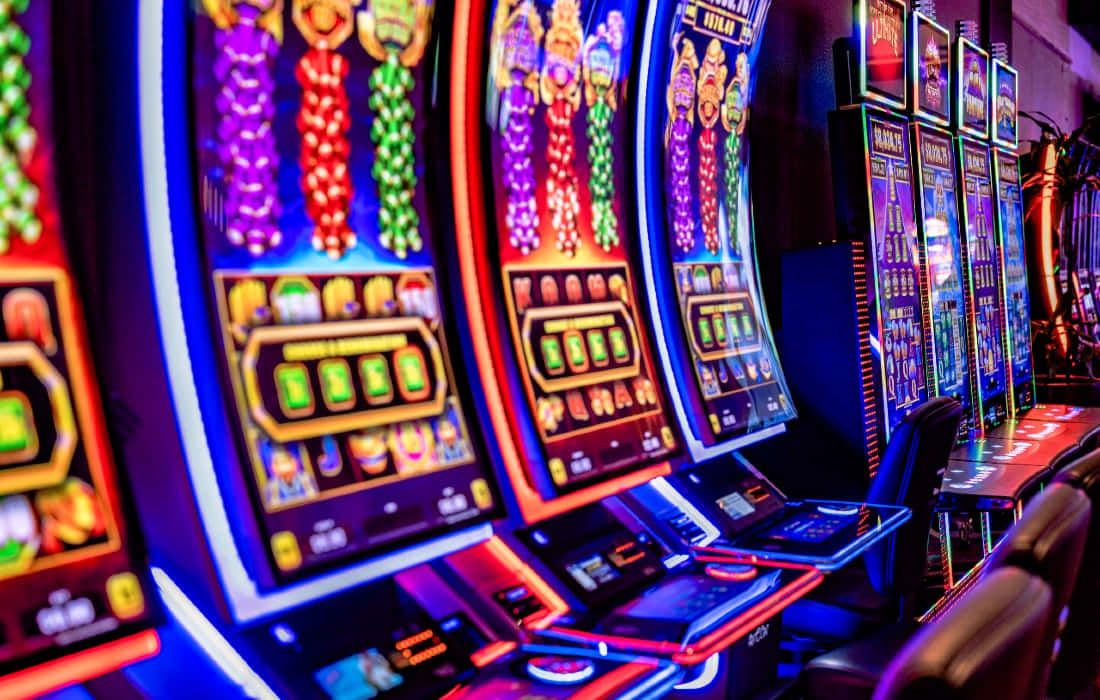
Slot machines are the most recognizable devices on any casino floor, and they generate the largest share of gaming revenue in most markets worldwide. Yet for all their flashing lights and celebratory sound effects, the internal mechanics remain a mystery to many players. This guide breaks down the technology behind modern slots, from the random number generator to the payout percentage, so you can understand exactly what happens when you press the spin button.
The Shift from Mechanical Reels to Digital Systems
The original slot machines, introduced in the late nineteenth century, were purely mechanical. A lever engaged a set of physical reels, each printed with a limited number of symbols. The outcome depended entirely on where those reels stopped, which was governed by springs, tension, and the geometry of the stopping mechanism.
That era is effectively over. Today, the vast majority of slot machines are electronic devices powered by software. Even machines that display physical spinning reels are controlled by a computer. The reels are theatrical props used to communicate an outcome that has already been determined in milliseconds. Understanding this distinction is the foundation of understanding how modern slots actually work.
The Random Number Generator: The Engine of Every Spin
What Is an RNG?
A random number generator (RNG) is a software component that continuously produces sequences of numbers. In a slot machine, these numbers map to specific reel positions and symbol combinations. The RNG cycles thousands of times per second, even when the machine is idle and no one is playing.
How the Outcome Is Selected
When you press the spin button, the machine does not begin generating a result. Instead, it captures the RNG output at that precise instant and translates it into a display outcome. This is a critical point for beginners:
- The result is determined the moment the button is pressed.
- The reels are animation, not a determinant of the outcome.
- Timing your press to a visual cue has no mathematical effect on the result.
Because the RNG runs independently of previous spins, each outcome is statistically independent. A machine that has not paid out for hours is not “due” for a win. This concept, known as the gambler’s fallacy, is one of the most common misunderstandings among new players.
Reel Strips, Virtual Reels, and Symbol Weighting
On a physical machine, each reel contains a strip of symbols. A three-reel machine with twenty positions per reel offers 8,000 possible combinations (20 × 20 × 20). The probability of hitting a specific combination is therefore 1 in 8,000, assuming each symbol appears once.
In digital machines, the concept expands dramatically. Virtual reels can contain hundreds or thousands of positions, and symbols are weighted. A jackpot symbol might appear once across a virtual strip of 256 positions, while a low-value symbol might appear dozens of times. This weighting directly shapes the odds of each payout tier.
| Classic mechanical | 3 physical reels | Thousands | Physical stops |
| Video slot | 5 virtual reels | Millions | RNG and weighting |
| Megaways style | Variable reels | Hundreds of thousands | RNG and dynamic rows |
Paylines, Ways to Win, and Volatility
A payline is a pattern across the reels that must contain matching symbols to award a payout. Traditional machines use a single horizontal line. Modern video slots may feature twenty, fifty, or several hundred paylines, and some use a “ways to win” system where symbols only need to appear on adjacent reels.
Volatility, sometimes called variance, describes the risk profile of a machine. It is separate from the return to player percentage and is worth understanding before you choose a game.
Return to Player and House Edge
The return to player (RTP) is the percentage of all wagered money that a machine is designed to return to players over millions of spins. An RTP of 96 percent implies a house edge of 4 percent. This figure is a long-term statistical average, not a promise for an individual session.
Two important clarifications for beginners:
- RTP is calculated across an enormous number of spins, not within a single visit.
- A high RTP does not mean a machine is more likely to pay on your next spin.
Regulated jurisdictions require manufacturers to publish or submit RTP data for testing. Independent laboratories verify that the software behaves according to its stated specifications.
Hit Frequency and Payout Structure
Hit frequency is the percentage of spins that result in any payout, even one smaller than the wager. A machine with a 25 percent hit frequency pays something on roughly one in four spins. Combined with RTP and volatility, hit frequency gives a fuller picture of how a game feels in practice.
Payout structures vary widely. Some machines concentrate value in a single jackpot; others distribute smaller awards more evenly. Neither structure is inherently better. They simply appeal to different player preferences and bankroll sizes.
Why Skill Does Not Change the Math
Unlike poker or blackjack, slots offer no decisions that alter the underlying probability. The only variables under player control are the wager size and the number of paylines or ways activated. Betting the maximum may unlock certain jackpot eligibility on specific machines, but it does not improve the base odds of any individual symbol combination.
This is why slots are classified as games of pure chance. Understanding that fact protects players from strategies and systems that claim to predict or manipulate outcomes.
Key Takeaways for New Players
- The RNG determines every outcome the instant the spin is triggered.
- Spins are independent; past results have no bearing on future ones.
- RTP is a long-term average, not a session guarantee.
- Volatility affects the experience and bankroll duration more than the total return.
- No betting pattern or timing technique changes the underlying math.
Modern slot machines are sophisticated software systems engineered for entertainment and regulated for fairness. Approaching them with a clear understanding of the RNG, RTP, and volatility turns guesswork into informed play.
Leave a Reply