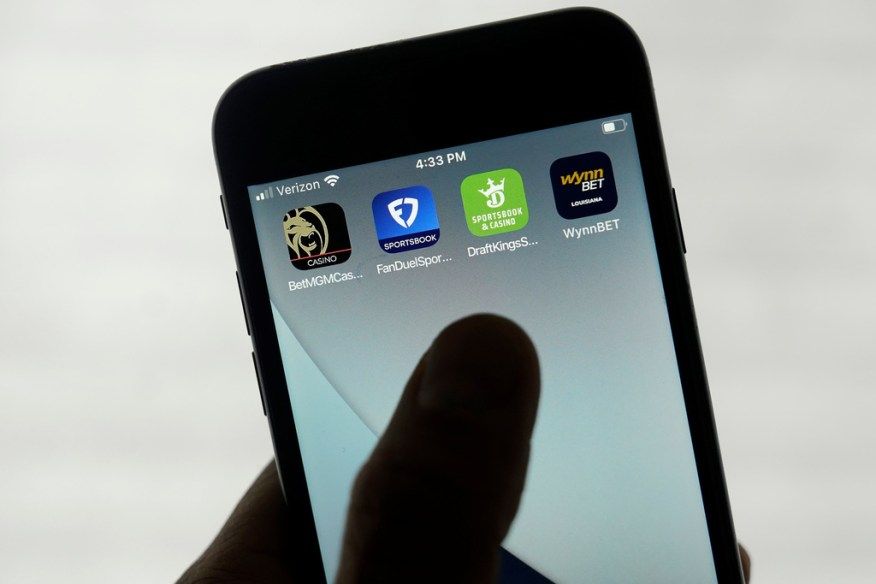
The convergence of mobile technology and online gambling has produced one of the most significant shifts in the digital entertainment industry over the past decade. What was once a desktop-bound activity, constrained by physical hardware and fixed internet connections, has evolved into an always-available experience delivered through devices that fit in a user’s pocket. This transformation is not merely about convenience; it reflects fundamental changes in user behavior, software architecture, payment infrastructure, and regulatory oversight. For operators, developers, and players alike, understanding how mobile technology is reshaping online gambling is essential to navigating the next phase of the industry.
The Shift from Desktop to Mobile-First Platforms
For much of the early 2000s, online gambling was synonymous with desktop computers. Players downloaded client software or accessed browser-based platforms that assumed a large screen, a mouse, and a stable broadband connection. The arrival of smartphones and tablets, combined with faster cellular networks, dismantled those assumptions. Today, the majority of online gambling traffic in mature markets originates from mobile devices, and operators increasingly design for mobile first, then adapt to desktop rather than the reverse.
This inversion has practical consequences. Interface designers must optimize for touch input, smaller viewports, and variable screen resolutions. Navigation must remain intuitive on a five-inch display while preserving the depth of features that experienced players expect. A mobile-first approach also influences performance budgets: pages must load quickly on constrained connections, and animations must remain smooth without draining battery life.
Responsive Design and Progressive Web Apps
Two technical approaches have dominated this shift. Responsive web design allows a single codebase to adapt fluidly across screen sizes, reducing maintenance overhead and ensuring consistency. Progressive web apps (PWAs) go further, offering offline caching, push notifications, and home-screen installation that mimics native software. For gambling operators, PWAs provide a middle path between the reach of the open web and the engagement of a downloadable app, often without the friction of app store approval processes.
Native Apps and the Battle for the Home Screen
Native mobile applications remain a cornerstone of the mobile gambling experience, particularly for casino and sportsbook products where performance and rich graphics matter. Native apps can leverage device hardware directly, including GPU acceleration, biometric sensors, and secure enclaves for authentication. This enables smoother live dealer streams, faster bet placement, and stronger security postures.
However, native apps introduce trade-offs. Distribution through the Apple App Store and Google Play Store subjects operators to platform policies that vary by jurisdiction and can change with little notice. In some markets, real-money gambling apps are prohibited or heavily restricted, pushing operators toward web-based alternatives. The result is a hybrid landscape in which apps and browsers coexist, each serving different regulatory and user contexts.
Push Notifications and Real-Time Engagement
One of the most consequential features of mobile apps is the ability to reach users instantly. Push notifications allow operators to announce live events, promotional offers, or bet settlements in real time. When used responsibly, this capability increases retention and session frequency. When overused, it becomes intrusive and can trigger uninstalls or regulatory scrutiny, particularly in jurisdictions with strict advertising rules.
Payments, Wallets, and the Mobile Economy
Mobile technology has also redefined how money moves into and out of gambling accounts. Traditional card payments and bank transfers, while still relevant, now compete with mobile wallets, carrier billing, and instant bank transfer systems. Digital wallets such as Apple Pay and Google Pay reduce checkout friction by authenticating transactions through biometrics rather than manual card entry.
This shift has implications beyond convenience. Mobile payment rails often provide stronger fraud detection and tokenization, replacing sensitive card numbers with one-time tokens. For players, faster deposits and withdrawals improve trust; for operators, lower friction translates into higher conversion rates. The table below summarizes common mobile payment methods and their characteristics.
| Mobile Wallets | Instant | Deposits and in-app purchases | Biometric authentication and tokenization |
| Carrier Billing | Near-instant | Small deposits | Often capped and subject to telecom rules |
| Instant Bank Transfer | Minutes | Larger deposits and withdrawals | Varies by jurisdiction and bank support |
| Cryptocurrency | Varies | Cross-border transactions | Regulatory uncertainty and volatility |
Personalization, Data, and Responsible Gambling
Mobile devices generate continuous streams of behavioral data: session lengths, bet patterns, device fingerprints, and geographic context. When analyzed responsibly, this data enables personalization that improves user experience, from tailored game recommendations to adaptive bonus offers. The same data, however, can be used to detect problematic gambling behavior in real time.
Regulators increasingly expect operators to implement responsible gambling tools directly within mobile interfaces. These include:
- Deposit limits and loss limits configurable in-app
- Session timers and reality checks
- Self-exclusion options linked to national registers
- Age verification through device-level identity systems
Mobile technology makes these tools more accessible than ever, but it also raises the stakes. The same device that delivers entertainment can enable impulsive behavior, which is why design ethics and regulatory compliance are now inseparable from product development.
Infrastructure, Latency, and Live Betting
Live, in-play betting depends on low latency and high reliability. Mobile networks, including 5G, have reduced the gap between desktop and mobile performance, enabling real-time odds updates and live streaming without noticeable delay. Edge computing further shortens the distance between servers and users, which matters for markets where milliseconds affect both user experience and operational integrity.
For operators, this means mobile infrastructure is no longer a secondary consideration. It is a core competitive asset. Partnerships with content delivery networks, redundancy across multiple carriers, and rigorous load testing during peak events such as major sporting finals are now standard practice.
Regulatory Fragmentation and the Mobile Challenge
Mobile gambling operates within a patchwork of national and regional regulations. Geo-location technologies must verify that a player is physically within a permitted jurisdiction, often using a combination of GPS, Wi-Fi triangulation, and IP analysis. App store policies add another layer, as platforms may restrict gambling content based on local law. Operators must therefore maintain flexible technical architectures that can adapt to changing rules without rebuilding their entire product.
This fragmentation also affects user acquisition. Marketing channels that work on one platform may be unavailable on another, and compliance teams must monitor both platform policies and gambling regulators. The mobile era has made online gambling more accessible, but it has also made compliance more complex.
The Road Ahead
Mobile technology will continue to shape online gambling through advances in artificial intelligence, augmented reality, and embedded finance. AI-driven chatbots and personalized interfaces are already appearing, while AR could transform live dealer experiences and sports viewing. What remains constant is the underlying principle: players expect seamless, secure, and immediate access wherever they are.
For the industry, success will depend on balancing innovation with responsibility. Mobile technology has removed barriers to entry and created new forms of engagement, but it has also intensified the need for robust security, transparent practices, and thoughtful design. Operators that treat mobile not as a channel but as the foundation of their product strategy will be best positioned to compete in the years ahead.
Leave a Reply